INDUSTRY NEWS
How to design a lightning protection system for pv solar bess storage power plant from China
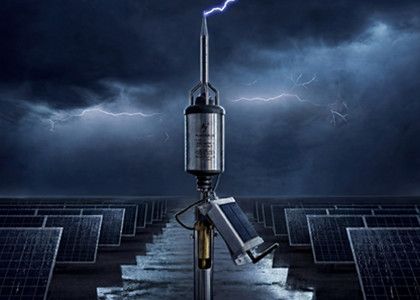
Importance of Lightning Protection System Design for PV & Energy Storage Power Plants
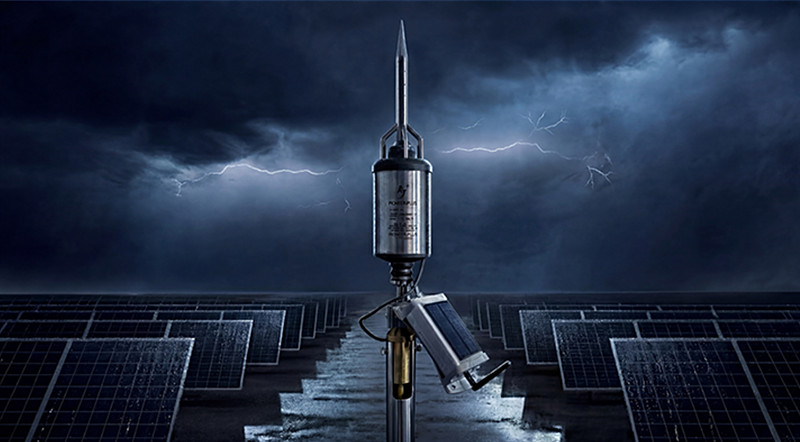
PV and energy storage power plants feature dense outdoor equipment, metallic mounting brackets for PV modules, concentrated low-voltage electronic components in battery containers and converters, as well as open terrain, making them highly vulnerable to lightning strikes. A proper lightning protection system is a core requirement for safe operation, asset protection and compliance approval. Its key importance is elaborated as follows:
1. Protect Assets and Avoid Severe Economic Losses
1. PV Modules and Mounting Structures
Large-area metal brackets and frames of PV panels act as natural lightning attractors. Direct lightning strikes and induced overvoltage can crack PV glass, damage solar cells and burn out junction boxes, rendering entire module strings unusable. Lightning may also cause ground potential counterattack on brackets and damage combiner boxes.
2. Energy Storage System (Top Priority)
Battery containers, PCS converters and BMS consist of sophisticated low-voltage electronic devices which are extremely sensitive to lightning-induced overvoltage. Lightning disturbances may lead to BMS malfunction, PCS shutdown and battery thermal runaway, further triggering fire or explosion. Losses caused by damaged energy storage containers are far greater than those of regular PV equipment.
3. High and Low Voltage Power Distribution Equipment
Lightning strikes on box transformers, power distribution cabinets, cables and monitoring & communication modules will result in short circuits, tripping and equipment burnout, leading to full plant outage.
2. Prevent Fires and Explosions to Eliminate Major Safety Hazards
The combination of PV and energy storage carries high fire risks:
Lightning overvoltage can break down line insulation and generate electric arcs, igniting cables and PV backsheets. Lithium batteries are prone to thermal runaway and cascading combustion under lightning surges and overvoltage. Such battery fires are difficult to extinguish and have a high re-ignition rate. A complete lightning protection and grounding system fundamentally reduces lightning-induced fire risks, protecting on-site staff and surrounding personnel.
3. Ensure Continuous and Stable Power Generation and Cut O&M Costs
· Power plants without qualified lightning protection will frequently trip and shut down during thunderstorms, resulting in substantial power generation losses and reduced project revenue.
· Recurring lightning faults increase costs of inspection, maintenance and spare parts replacement. Frequent outages also accelerate equipment aging and shorten service life.
· Damage to remote monitoring, data acquisition and communication systems will disable remote management, leaving faults undetected and unresolved in a timely manner.
4. Comply with Industry Codes for Grid Connection and Acceptance
Domestic PV and energy storage projects shall comply with GB 50057 Code for Design of Lightning Protection of Buildings, GB/T 36479 Technical Requirements for Lightning Protection of Photovoltaic Power Stations and the IEC 62305 series standards on lightning protection.
· Projects with unqualified lightning protection schemes, excessive grounding resistance or improperly configured surge protective devices (SPDs) will fail final acceptance and grid connection inspection.
· Non-compliance will lead to rectification requirements and liabilities during subsequent safety, fire control and power grid inspections. Standardized lightning protection is a prerequisite for legal operation.
5. Suppress Lightning-Induced Overvoltage and Ground Potential Counterattack
Power plants adopt long cable routes, with strong and weak current cables laid in adjacent trenches. Lightning-induced overvoltage propagates along cables, which causes more failures than direct lightning strikes.
Proper equipotential bonding, lightning protection zoning, multi-stage SPD protection and standardized grounding unify the potential of the entire plant, eliminate potential differences between devices and prevent the frequent fault of ground potential counterattack.
6. Extend Equipment Service Life and Improve Long-term Benefits
Standard lightning protection effectively lowers the risk of damage from electrical surges and delays component aging, extending the overall service life of PV, energy storage and electrical equipment. For power plants with an operation cycle of 20 to 25 years, investment in lightning protection delivers high returns with low costs.
Summary
A systematic lightning protection system is indispensable for PV and energy storage power plants. It serves as the bottom line for personal safety as well as fire and explosion prevention, and is also essential for equipment protection, stable power generation and regulatory compliance. It directly determines the plant’s safety level, operation cost and long-term economic benefits.